

Fortunato
Notes from the north of Peru
There were chickens in the yard when we arrived. That is what I remember first. Chickens, a low house, a family coming out to meet us, and a quiet that felt like it had been there a long time.
It was Friday, July 11, 2025, the second day of a trip through the north of Peru, through the country where Marañón and Awajún cacao grow. We had slept in Jaén and set out early for the district of Huarango. The road to Don Fortunato's finca is long. You feel every part of it. And then you are there, and the drive falls away.
The air smelled of wet earth and green leaves, and under that, faintly, of cacao drying somewhere close by, sour and warm. The sun was already strong. I felt it on my arms and on the back of my neck. In front of me, the group was taking the moment in, looking around, stopping to smell the flowers as we walked down the driveway to the front door. Then everyone went quiet, and we met Don Fortunato.
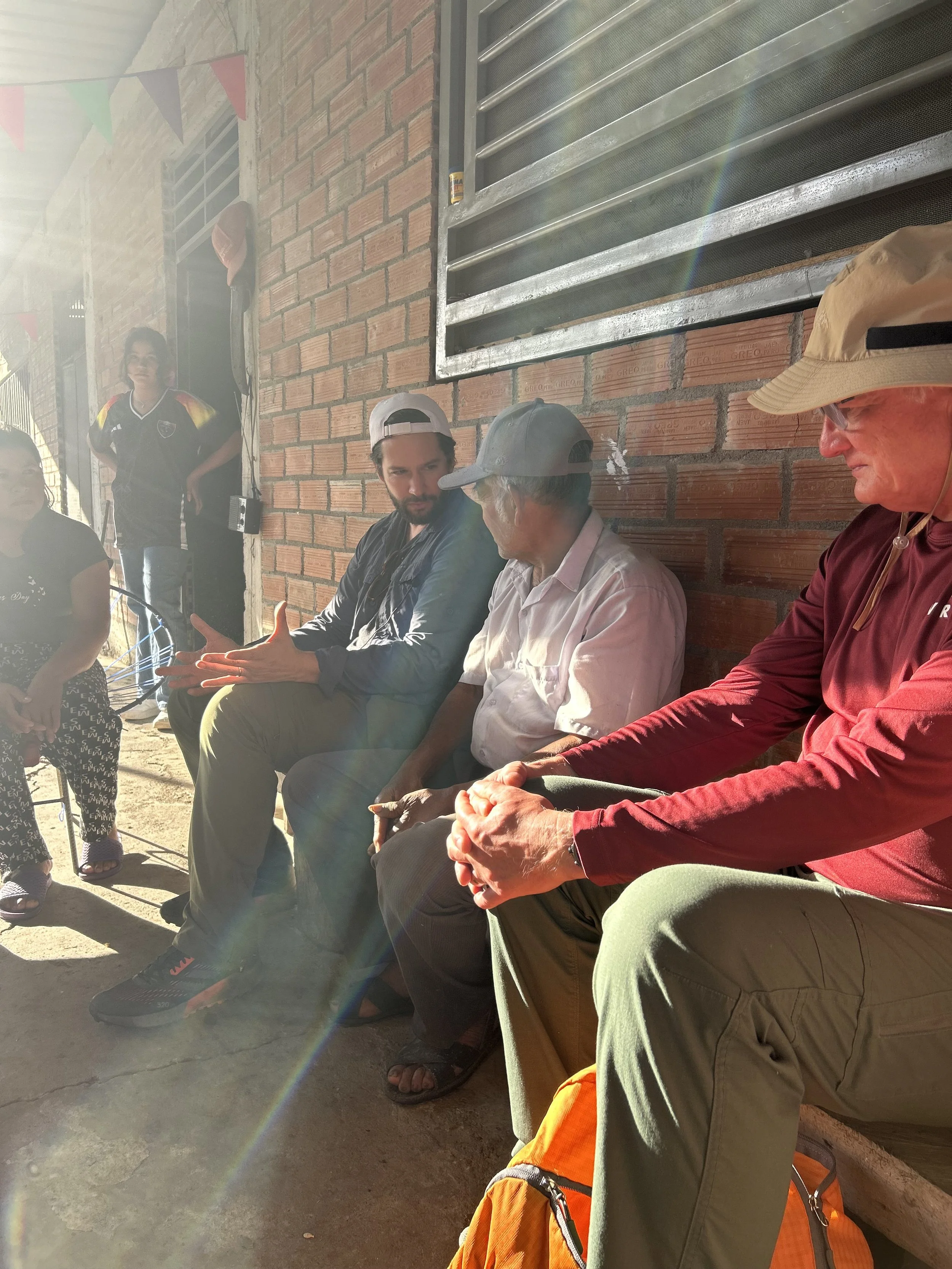
I had wondered for years what sourcing cacao should feel like. Standing in that yard, I knew. It should feel like this: peaceful, welcoming, happy.
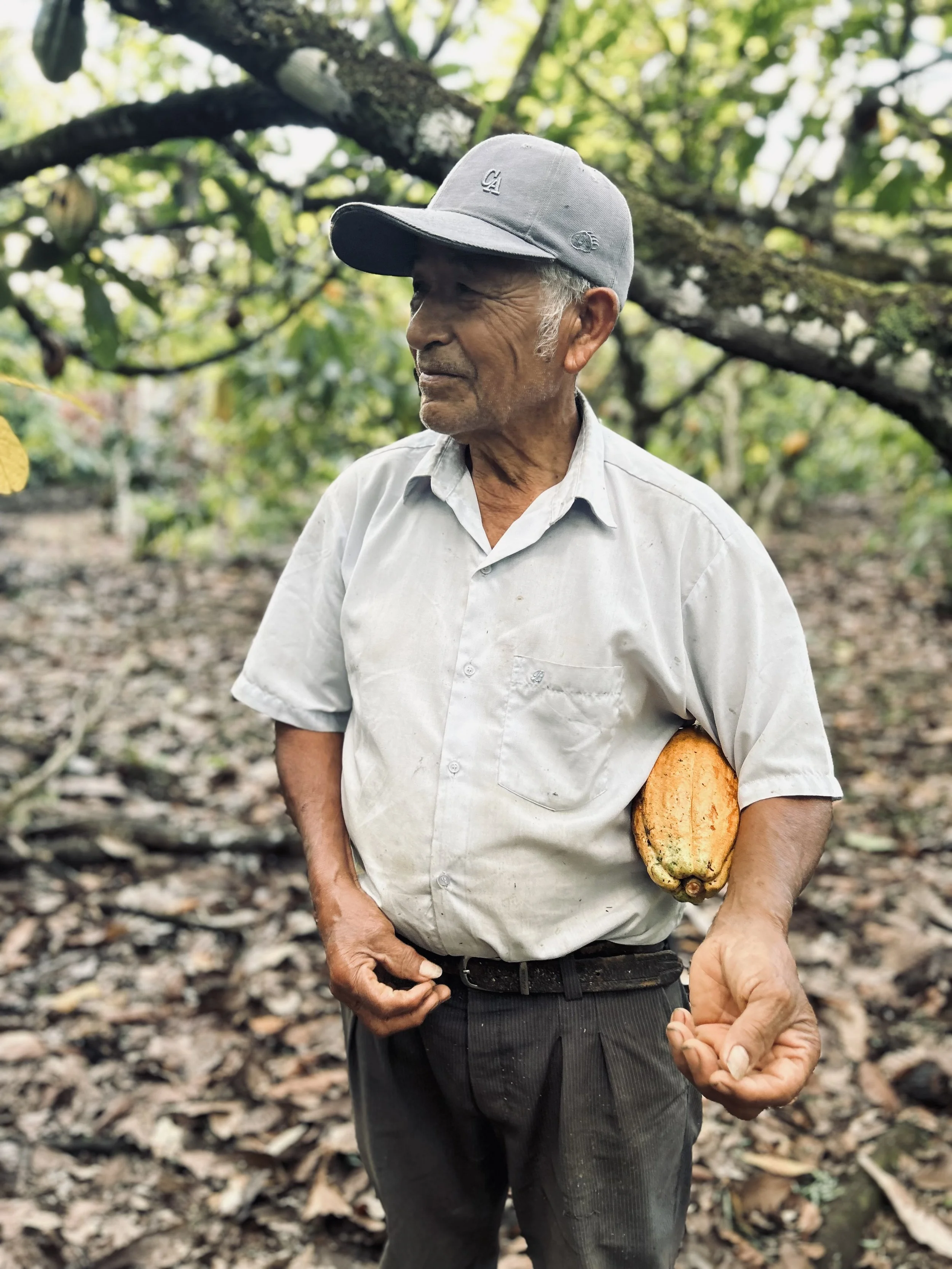
Don Fortunato had just turned 81. He did not walk like a man of 81. He was smiling before we reached him, and he could not wait to show us his trees. He led us through the plantation, row by row, stopping to lift a pod, to point at a branch, to tell us a story about each one. It was cooler under the trees, the light broken into pieces on the ground.
Then he brought us to a particular tree.
Late in 2007, two Americans, Dan Pearson and Brian Horsley, came to this remote canyon of the Marañón and found something odd. Some pods were full of white beans, mixed with purple, or white all the way through. In 2009, with the help of the USDA's cacao laboratory in Maryland, leaves from trees across the canyon were tested. They were Pure Nacional, a variety prized for its flavour and believed lost for about a hundred years, after disease swept through the trees in Ecuador. The fourth sample from this farm was the purest ever tested. That is where the name comes from. Fortunato No. 4. Today the original is called the mother tree, and it has been cloned thousands of times so that farmers in the valley can plant it again.
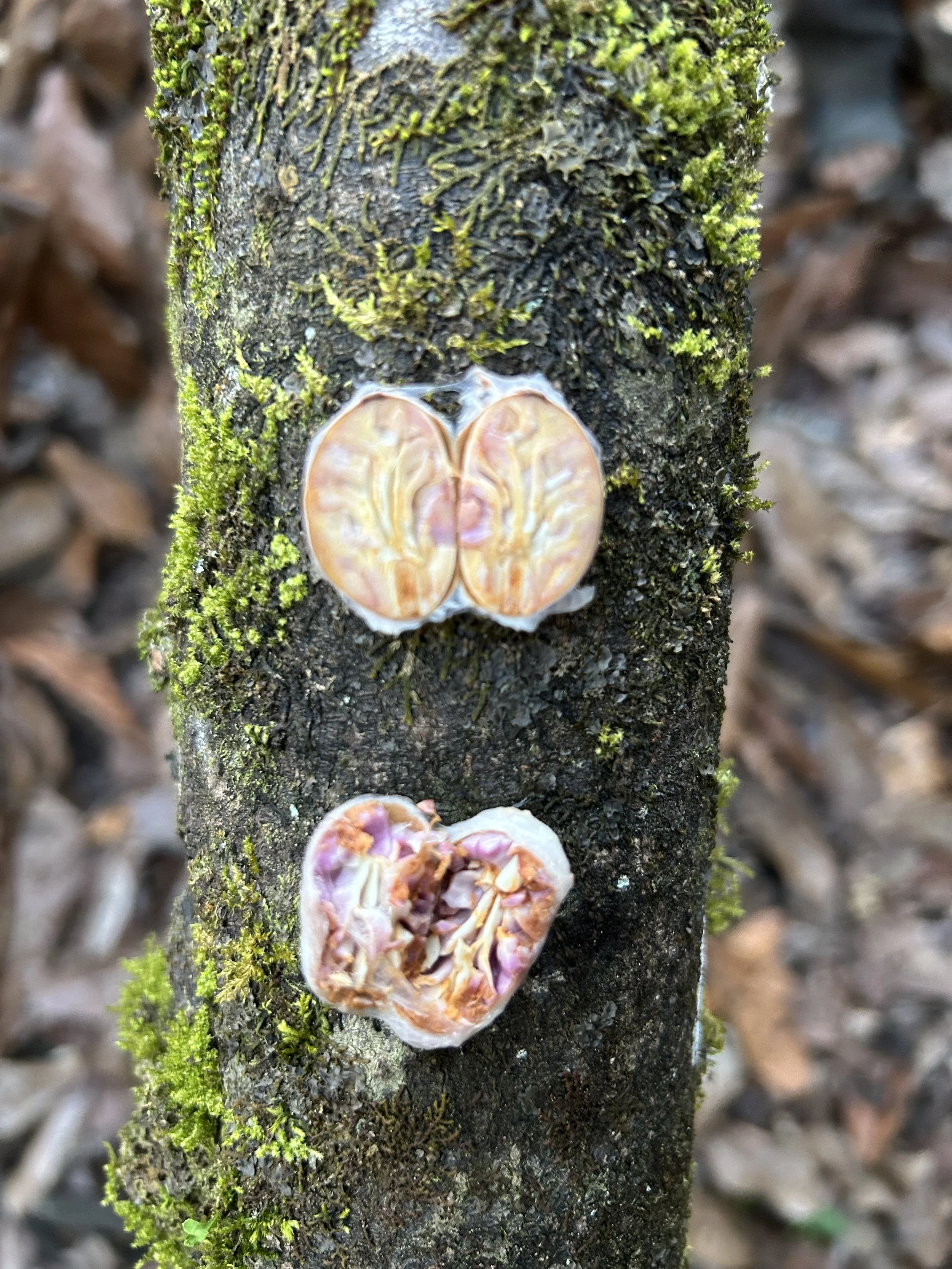
We stood around it and took photographs, and he watched us, pleased.
Through a translator, I asked him a question I had been carrying all morning. Had he ever taken a day off?
No, he said. Never. He had never travelled. He had only worked.
He said it simply, the way you would tell someone the time.
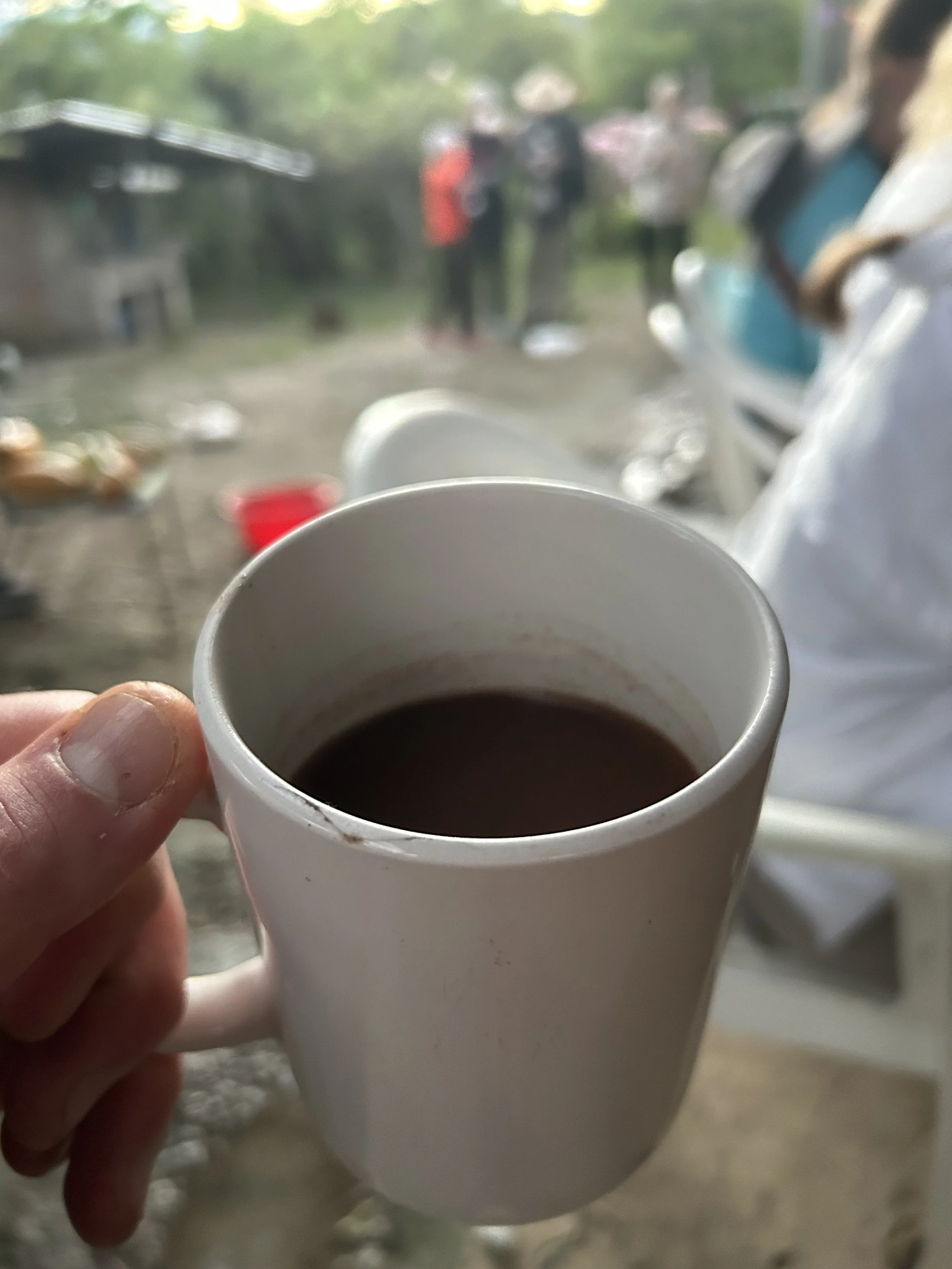
His family had prepared food and drinks for us. They set it out with care, and they would not hear of us leaving before we had eaten. They were generous in the way people are when they have very little to be generous with. You could feel how much they loved one another.
Years ago, Don Fortunato's cacao was sought after. Buyers came looking for it. Today there are fewer of them. He still ferments and dries his beans himself, alone. He is not getting younger, and he knows it.
We left late. It was dark by then, and the drive back to town was long. I sat by the window and could not stop the tears. I felt privileged to have been there. I felt sad. Mostly, I wanted to help.
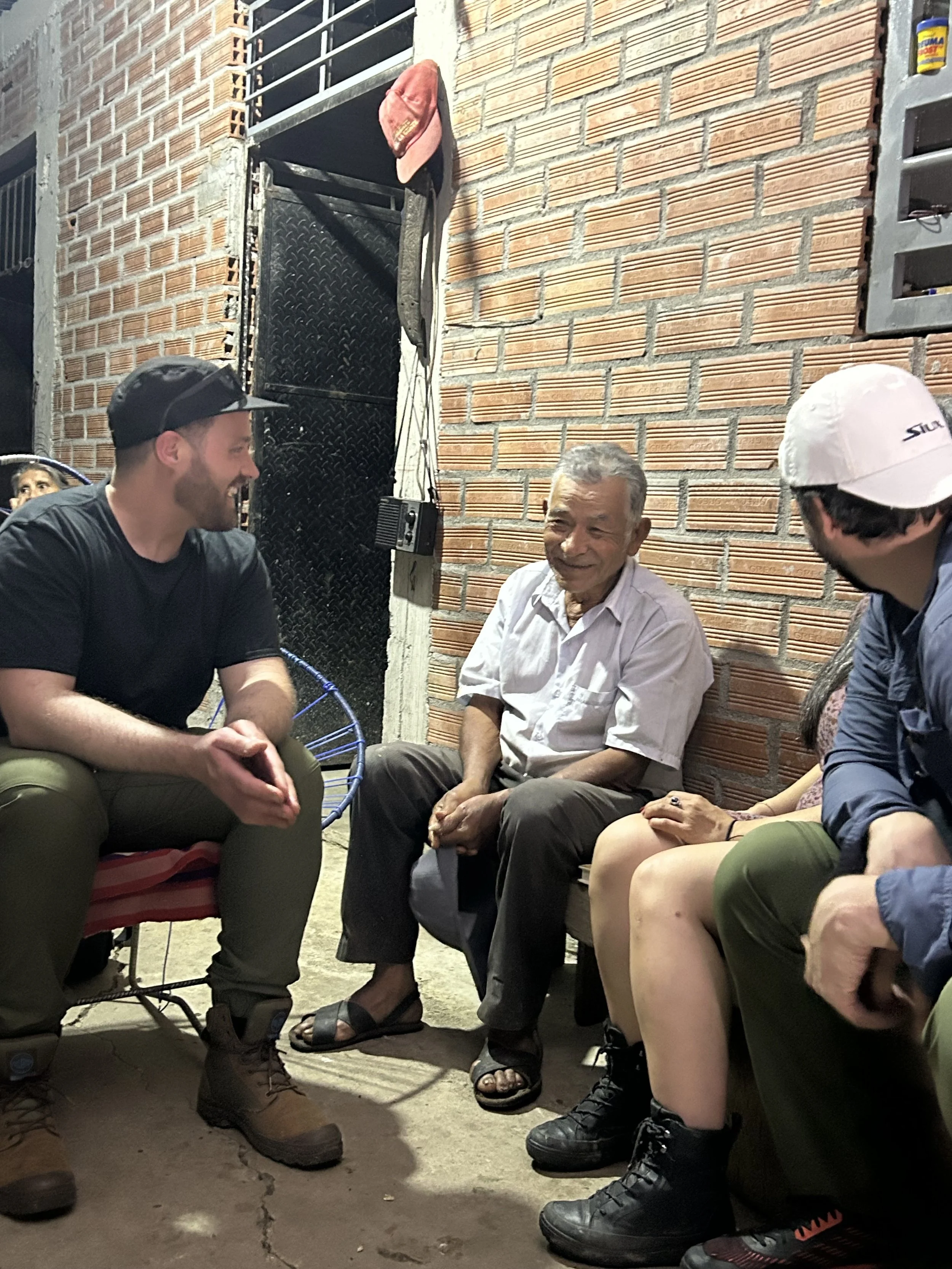
Not by arriving with answers. He does not need someone from far away to fix his life. What would help is quieter than that: a cooperative nearby taking in his beans, someone to help with pruning, hands to keep the plantation clean. People are trying to make that happen, and it is harder than it sounds. But work like his should not go to waste. That much I am sure of.
I came home from Peru with something I did not expect. Not a plan, exactly. A reason. All over the world there are people like Don Fortunato, growing and making extraordinary things with their hands, every single day. Our job is to remember them, and to carry their work faithfully to the bar.
It is what keeps me going.
We did not reinvent chocolate. We remembered it.
Antoine Lavoie, founder and chocolate maker
